Spray Foam vs Blown-In Insulation: The Core Differences
When you're standing in your attic on a sweltering Jonesboro summer day, wondering why your cooling bills keep climbing, the insulation question becomes urgent. The two most popular choices homeowners face are spray foam and blown-in insulation, and they work in fundamentally different ways.
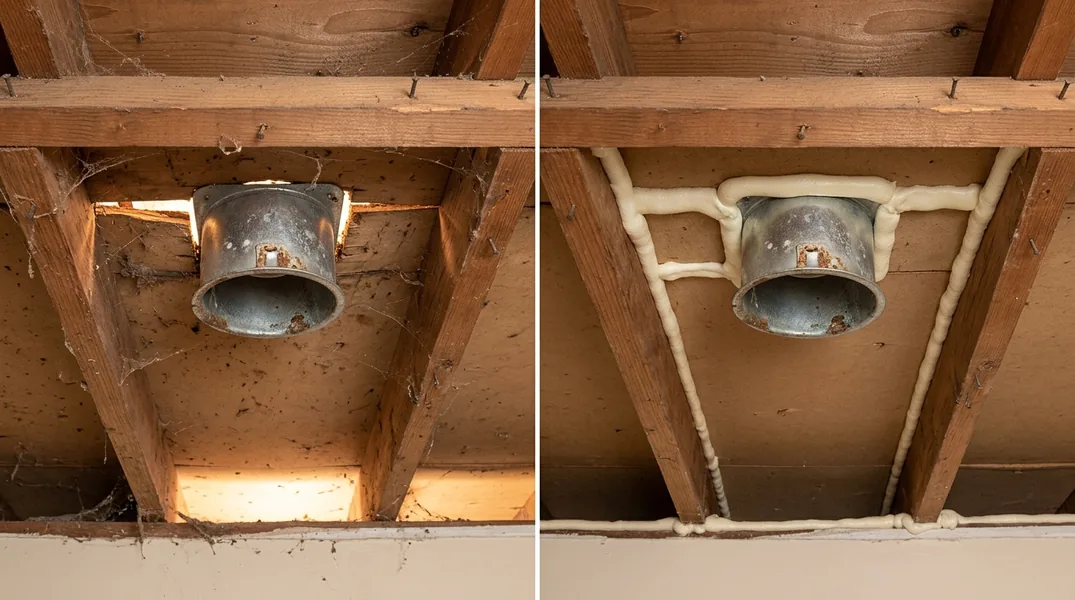
Attic Spray Foam Insulation expands as it's applied, creating an air-tight seal that fills gaps, cracks, and irregular spaces. Blown-in insulation, by contrast, is loose material (fiberglass, cellulose, or mineral wool) that's pneumatically distributed across your attic floor. The spray foam approach creates a thermal and air barrier simultaneously. Blown-in material relies on depth and density to resist heat transfer but doesn't seal air leaks the way foam does. For homeowners in Jonesboro dealing with older homes or complex attic layouts, this distinction matters considerably.
Spray Foam vs Fiberglass: Performance and Longevity
Fiberglass blown-in insulation is the traditional workhorse of American attics. It's affordable, widely available, and relatively easy to install. However, fiberglass loses R-value over time as it settles and compresses, especially in humid climates. It also requires a separate vapor barrier and doesn't stop air infiltration on its own. If your attic has gaps around ductwork, electrical penetrations, or where roof trusses meet walls, warm or cool air will escape around fiberglass insulation.
Spray foam, particularly Closed Cell Spray Foam Insulation, maintains its R-value for decades and actively seals the air pathways that fiberglass misses. The trade-off is upfront cost, which is higher than fiberglass. But when you factor in energy savings, reduced HVAC strain, and the longevity of the material, many homeowners find spray foam delivers better value over 15 to 20 years. The question isn't always which is better in absolute terms, but which is right for your specific situation and budget.
Blown-In Insulation: When a Simple Top-Up Makes Sense
Here's the honest truth that many insulation contractors won't tell you: not every attic needs a complete overhaul. If your home already has 6 to 8 inches of fiberglass insulation and you're experiencing modest energy losses, adding another 4 to 6 inches of blown-in material might be the smartest, most cost-effective move. A simple top-up can bring your total R-value from R-19 to R-38 or R-49, which meets or exceeds current building codes for the Arkansas climate.
This approach makes particular sense if your attic is already relatively air-tight, your existing insulation is in good condition, and you don't have significant air leaks around penetrations. The beauty of blown-in insulation is its simplicity: a crew can often complete the work in a few hours, and you're back to normal immediately. For budget-conscious homeowners or those with well-maintained older homes, this incremental improvement can deliver noticeable energy savings without the investment of a full spray foam retrofit.
Spray Foam vs Cellulose: Moisture, Pests, and Climate Considerations
Cellulose is an eco-friendly blown-in option made from recycled paper, and it offers decent thermal performance at a lower price point than spray foam. However, cellulose is hygroscopic, meaning it absorbs moisture readily. In humid climates or attics with moisture issues, cellulose can sag, settle unevenly, and lose effectiveness. It also requires chemical treatment to resist pests and fire, and those treatments can off-gas over time. For homeowners in the Jonesboro area, where summer humidity is significant and attic ventilation can be tricky, cellulose presents more risk than benefit.
Open Cell Spray Foam Insulation is sometimes promoted as a moisture-friendly alternative, but this is misleading in humid climates. Open cell foam is vapor-permeable and can absorb moisture if not properly ventilated. Closed-cell spray foam, by contrast, has a vapor barrier built in and is genuinely resistant to moisture problems. If moisture management is a concern in your attic, spray foam is the more reliable long-term choice, even though it costs more upfront.
Best Insulation for Attic: Matching the Solution to Your Home
The best insulation for your attic depends on several factors: current R-value, air-sealing needs, budget, attic accessibility, and your home's age and condition. A newly built home with tight construction and modern HVAC might benefit from a cost-effective blown-in top-up. An older home with drafts, uneven temperatures, and energy bills that spike seasonally is often a better candidate for spray foam's comprehensive air-sealing properties.
Wall & Injection Foam Insulation is also worth considering if you have hollow walls or cavities that need filling without major demolition. The key is getting a professional assessment that doesn't start with a predetermined answer. A reputable insulation contractor should evaluate your specific situation, discuss the trade-offs honestly, and help you understand the long-term energy and comfort implications of each choice. If you'd like a thorough evaluation of your attic, contact Jonesboro Spray Foam Insulation at (870) 641-6546 for a free estimate.
Attic Spray Foam Insulation Cost in Jonesboro: What to Budget
Spray foam insulation typically costs between $1.50 and $3.50 per board foot, depending on whether you choose open-cell or closed-cell foam. For a typical 1,500-square-foot attic, you're looking at a range of $3,000 to $8,000 or more. Blown-in fiberglass or cellulose runs roughly $0.50 to $1.50 per square foot, making a full attic treatment $750 to $2,250. A top-up of existing insulation costs even less. These are ballpark figures, and actual pricing depends on attic size, accessibility, existing insulation, and local labor costs.
The higher upfront cost of spray foam often translates to lower energy bills over time, better comfort year-round, and fewer callbacks for settling or gaps. Blown-in insulation is cheaper initially but may require future maintenance or additions as it settles. When comparing options, ask contractors for a 10 to 15-year energy cost projection, not just the installation price. This gives you a true picture of which investment makes sense for your home and your wallet. Jonesboro Spray Foam Insulation is happy to walk you through these numbers and help you make an informed decision. Call us at (870) 641-6546 or request a free estimate today.
Looking for a professional spray foam insulation contractor in Jonesboro? Jonesboro Spray Foam Insulation responds fast for all your spray foam insulation needs.
Get a Free Quote